Personalised nutrition and DNA

Why one-size-fits-all diets don’t work

If you’ve ever followed a healthy diet and still felt not as great as you think you should… you’re not alone! You might be eating plenty of vegetables, cutting back on sugar, exercising regularly- and yet still struggling with low energy, digestive issues, or weight that’s moving in the wrong direction. It’s frustrating. And rarely down to a lack of effort.

The reality is, nutrition isn’t one-size-fits-all. What works brilliantly for one person may be completely ineffective, or even counterproductive for someone else. That’s where personalised nutrition comes in. And when you combine it with DNA insights, it becomes an even more powerful tool.

A penguin surrounded by baby penguins as a metaphor for reacting differently to dieting

What is personalised nutrition?

Personalised nutrition is exactly what it sounds like: dietary advice tailored specifically to you. Rather than following generic guidelines, we look at:

  • Your current diet (via a 4 or 5 day food diary)
  • Your health goals (weight loss, energy, gut health, performance, etc.)
  • Your symptoms and medical history
  • Your lifestyle (sleep, stress, activity levels)
  • Your biochemical markers (from blood tests, where available)
  • And where relevant, specific DNA markers that impact dietary responses

Personalised nutrition gives us a far more accurate starting point than any standard diet plan ever could. Because before we decide what to change, we need to understand what’s already going on.

What is DNA testing for diet?

This is where things get interesting and personalised on a whole other level. DNA testing for diet looks at how your genes may influence your response to different nutrients, foods, and lifestyle factors. For example, your genetic profile may influence:

  • How you metabolise caffeine
  • Your sensitivity to saturated fats
  • Your ability to utilise certain vitamins (like folate or vitamin D)
  • Your response to different macronutrient ratios (fat vs carbohydrate vs protein)
  • Your likelihood of benefiting from certain types of exercise

DNA testing for diet helps explain why one person thrives on a higher carbohydrate diet, while another feels better with more protein. Or, how some people can drink coffee all day, while others feel anxious after one cup.

Where blood testing fits in

If available, blood markers add another valuable layer. They can help identify:

  • Nutrient deficiencies (e.g. iron, B12, vitamin D)
  • Blood sugar regulation
  • Lipid profile (cholesterol levels)
  • Markers of inflammation

Blood testing for diet allows recommendations to be more targeted and clinically relevant. For example, there’s little point increasing iron-rich foods if iron status is already optimal, or overlooking it if levels are low.

Why a food diary still matters (more than you might think)

It might not be the most fun part of the process, but a food diary is incredibly revealing. It shows:

  • Nutrient intake (and gaps)
  • Eating patterns and timing
  • Potential triggers for symptoms (like bloating or fatigue)
  • Habits that may be helping or hindering your progress

And importantly, it gives me a realistic view of how you typically eat and helps keep recommended changes realistic!

Why combining all three is so powerful

Each of these elements – food diary, blood testing, and DNA testing for diet – provides useful information on its own. But when you combine them, you get meaningful context with which to build a diet plan. Because a recommendation only really makes sense when it’s based on:

  • Your current habits
  • Your current physiology
  • Your underlying biology

Personalised nutrition allows us to move away from guesswork and towards something far more precise.

A more effective approach to nutrition

One of the biggest benefits of a personalised nutrition approach is that it tends to be more sustainable. You’re not trying to force yourself into a diet that doesn’t suit you, or flipping between different ways of eating with no real motivation as you don’t have the data about what is right for you.

Instead, you’re working with your body – adjusting your nutrition in a way that aligns with how you actually respond to food. That might mean:

  • Increasing fibre gradually rather than dramatically
  • Adjusting caffeine intake based on tolerance
  • Focusing on specific nutrients you’re more likely to need
  • Tweaking macronutrient balance to better suit your metabolism

Small, targeted dietary changes that work with your physiology.

The take home...

If you’ve been going round in circles with your diet, it may not be that you’re doing the wrong things. It may simply be that you’re following advice that was never designed for you in the first place. A personalised, evidence-based nutrition approach, especially when combined with DNA dietary insights, offers a more informed, more targeted, and ultimately more effective way forward.

If you’d like to explore a personalised nutrition plan based on your diet, health markers, and genetic profile please get in touch to find out more

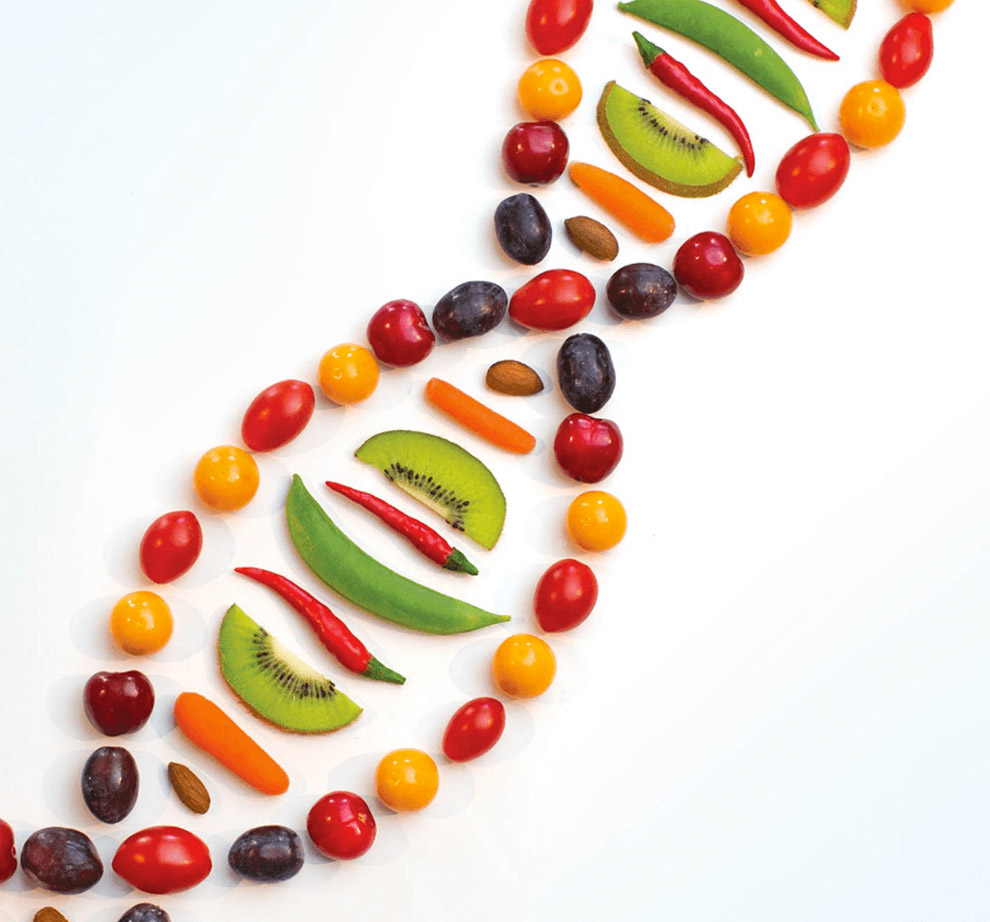
DNA helix made out of fruit